Buying a quarter, half or whole beef: hanging weight explained
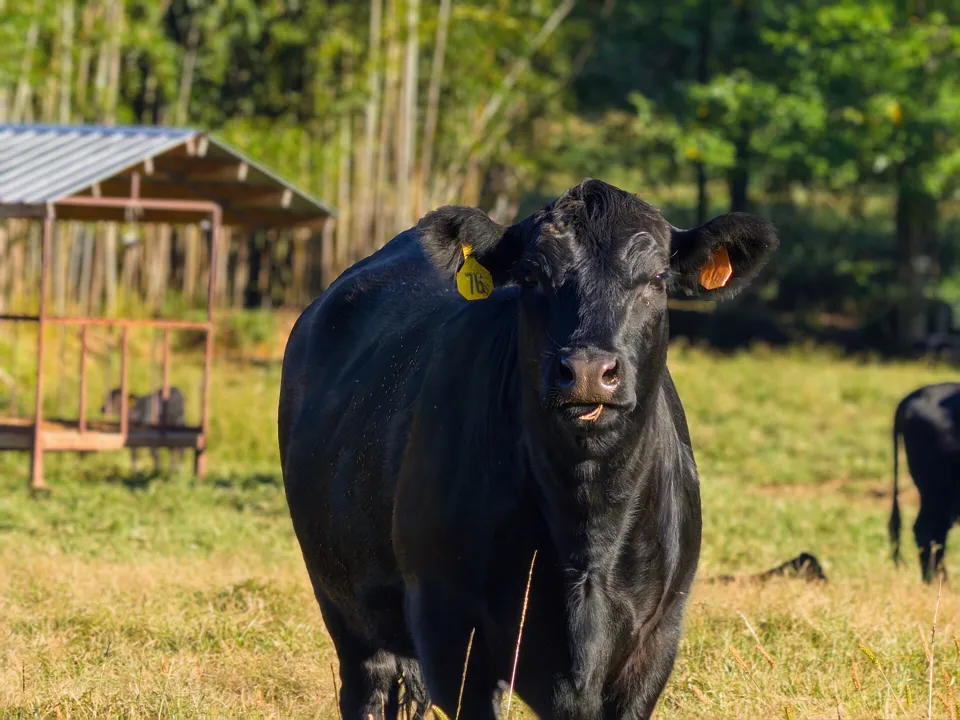
Bulk beef is usually priced on hanging weight, but you take home less. Extension examples show hanging weight around 62 to 64 percent of live weight for fed steers, and take-home beef around 62 to 71 percent of the carcass, depending on cuts and trim.
Updated November 2026
Published by E-Guides. Updated November 2026.

Three weights to know
Farmers and processors talk about three different weights, and mixing them up is the most common reason a bulk beef order feels smaller than expected.
- Live weight: the whole animal on the hoof.
- Hanging weight (hot carcass weight): the carcass after the head, hide, feet, blood and organs are removed. Many farmers and processors price on this.
- Take-home weight: the packaged cuts and ground beef that go in your freezer, after chilling, aging, trimming and boning.
The two steps between them are the dressing percentage (hanging weight divided by live weight) and the cutting yield (take-home weight divided by carcass weight).
The formula
University of Wisconsin-Madison Extension sets it out as three lines:
Live weight x dressing percentage = hot carcass weight
Hot carcass weight x (100% minus cooler shrink) = chilled carcass weight
Chilled carcass weight x cutting yield = take-home meat
Their worked example: a 1,200 pound steer at 62 percent dressing gives a 744 pound hot carcass. After 3.5 percent cooler shrink that is 718 pounds, and at a 67 percent cutting yield about 481 pounds of take-home beef. They note a carcass can lose 2 to 5 percent of its weight in the first 24 hours of chilling.
What changes the numbers
| Figure | Typical range | Source |
|---|---|---|
| Dressing percentage, grain-finished steer | 62 to 64% | UW-Madison, SDSU |
| Dressing percentage, grass-finished | About 5 points lower than grain-fed | University of Maine |
| Cutting yield, bone-in regularly trimmed cuts | 71% | UW-Madison |
| Cutting yield, boneless closely trimmed cuts | 62% | UW-Madison |
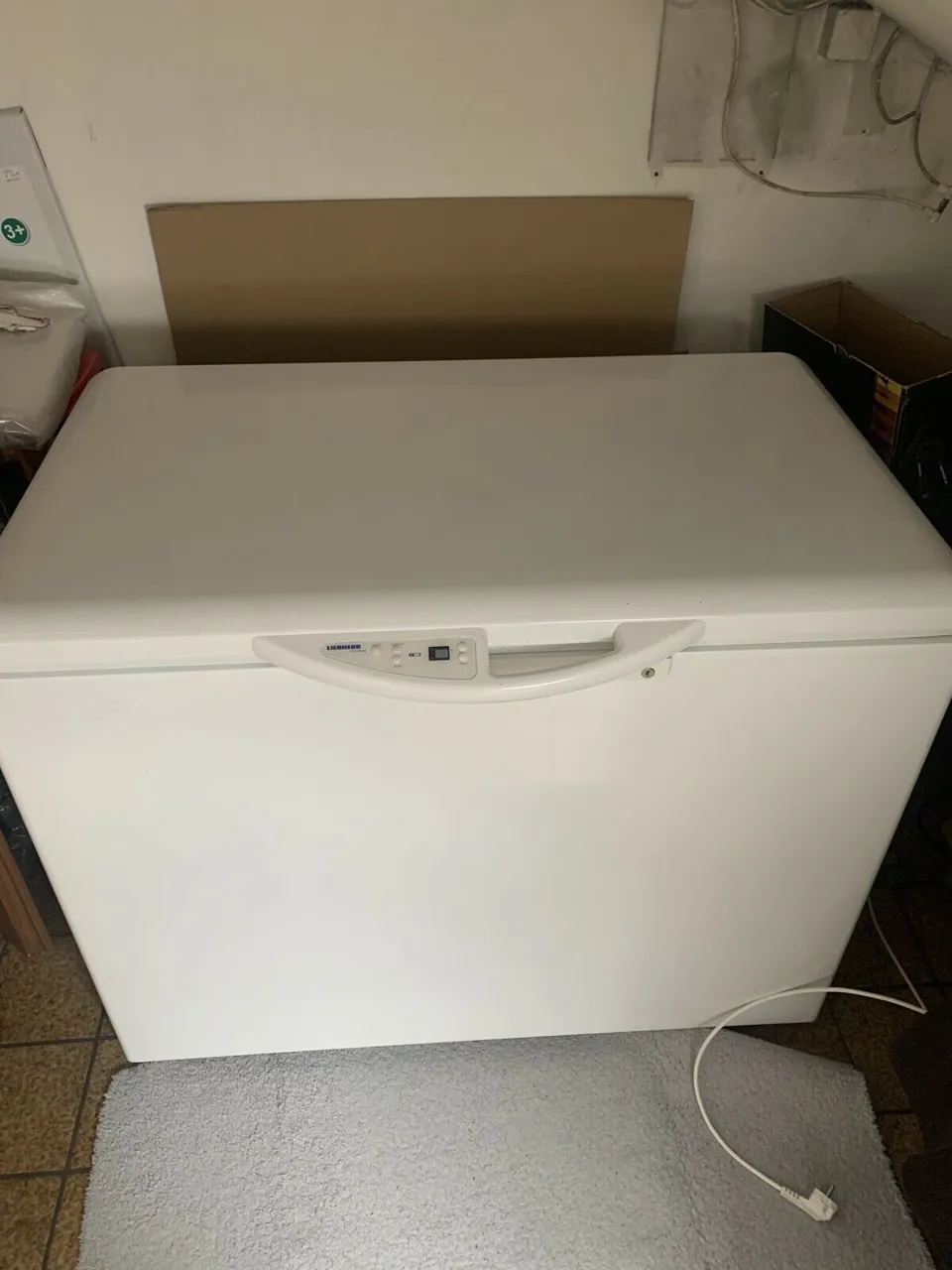
| Freezer space | About 1 cubic foot per 35 to 40 lb of packaged meat | University of Maine, Oklahoma State |
Dairy breeds, heifers, grass-finished cattle and animals with a full gut dress out lower. Heavier muscling and more finish dress out higher. Asking for boneless cuts, closer trim or very lean ground beef lowers your take-home pounds, but UW-Madison points out the amount of edible meat is the same either way. You are just not paying freezer space for bone.
A quarter, a half and a whole
A half (also called a side) is half the carcass. A quarter is usually half of a side, and some farms sell "split sides" so each buyer gets a mix of front and hind cuts. University of Minnesota Extension gives an example of about 142 pounds of meat from a quarter of a 1,300 pound animal, needing at least 4.5 cubic feet of chest freezer space.
Illustration only. Say a farm quotes a half beef with a hanging weight of 375 pounds. At a 65 percent cutting yield, plan for about 375 x 0.65 = 244 pounds of beef. At 35 to 40 pounds per cubic foot, that needs about 6 to 7 cubic feet of freezer space. To compare the true cost, divide the total you pay (beef plus processing) by the take-home pounds, not the hanging weight.
Questions to ask the farm
- Is the price based on live weight, hanging weight or take-home weight?
- Is processing included, or do I pay the processor separately?
- Who fills in the cut sheet, and by when?
- Is the animal grass-finished or grain-finished, and roughly how old?
- Which processor do you use, and is it USDA-inspected, state-inspected or custom-exempt?
Our inspection guide explains why the last question matters. Then find a processor or butcher near you.
Questions people ask
How much meat do you get from a half beef?
It depends on the carcass. As an illustration, a 375 pound hanging-weight half at a 65 percent cutting yield gives about 244 pounds of beef. Extension figures put cutting yield between about 62 and 71 percent, depending on bone-in or boneless cuts and trim.
How big a freezer do I need for a quarter beef?
University of Minnesota Extension suggests at least 4.5 cubic feet of chest freezer space for about 142 pounds of beef from a quarter.
Sources
- University of Wisconsin-Madison Extension, How much meat should a beef animal yield?
- SDSU Extension, How Much Meat Can You Expect from a Fed Steer?
- University of Maine Cooperative Extension, Bulletin #1071, What To Expect When Buying A Freezer Beef
- University of Minnesota Extension, Buying animals for meat processing
- Oklahoma State University Extension, Buying Beef for Home Freezers