How to choose a meat processor
Pick a processor by the kind of inspection you need first, then by booking dates, the animals they take, how they charge and how they handle your cut sheet. Call before you haul anything.
Updated November 2026
Published by E-Guides. Updated November 2026.
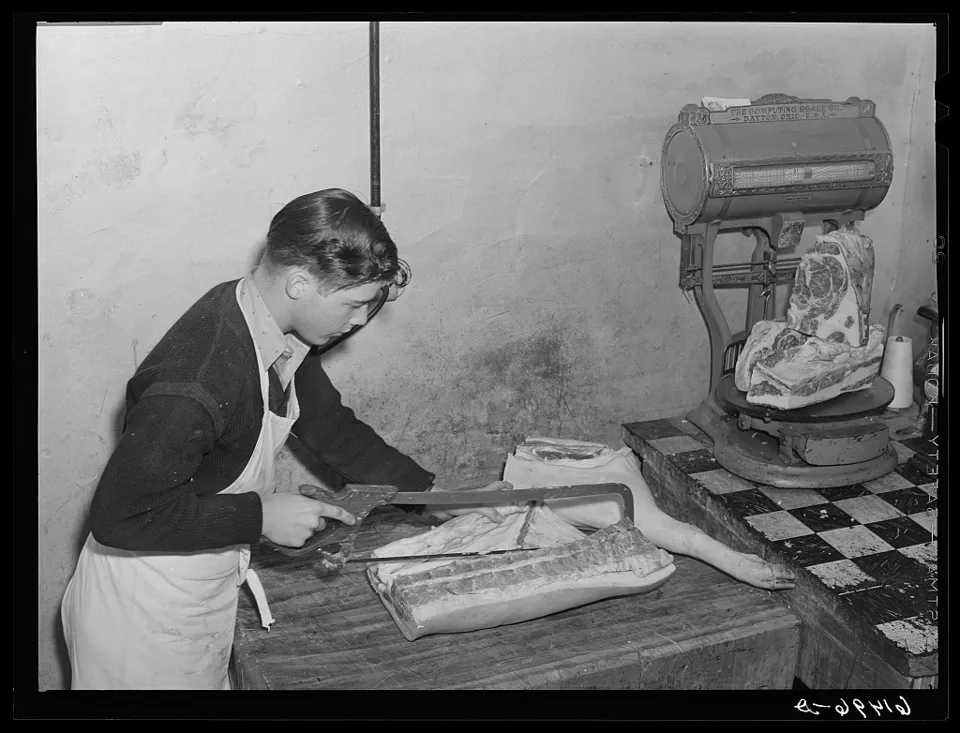
Start with the kind of inspection you need
The first question is not price or distance. It is whether the meat will ever be sold. USDA (United States Department of Agriculture) FSIS (Food Safety and Inspection Service) guidance sets out three kinds of plants, and the right one depends on what happens to the meat after it leaves the cooler.
If you raise a steer and keep the beef for your own family, a custom-exempt plant can do the work. If you plan to sell beef by the package at a farmers market, or ship it to customers, it has to be processed under inspection. Meat from a state-inspected plant can only be sold inside that state, unless the plant is part of the Cooperative Interstate Shipment program. Meat from a USDA-inspected plant can be sold anywhere in the country.
| Kind of plant | Who inspects | Who can eat or buy the meat |
|---|---|---|
| USDA-inspected (federal) | FSIS inspectors under a federal grant of inspection | Can be sold, including across state lines. Packages carry the USDA mark of inspection. |
| State-inspected | A state program that must be "at least equal to" federal rules | Can be sold within that state only, unless the plant is in the Cooperative Interstate Shipment program. |
| Custom-exempt | No inspector at slaughter. The plant must still meet sanitation rules. | Only the animal's owner, their household, nonpaying guests and employees. Packages are marked "Not for Sale". |
Our directory marks plants that appear in the FSIS inspection directory with their establishment number and the activities FSIS lists for them. We do not yet mark state-inspected or custom-exempt plants, so a shop shown as a butcher may still do custom work. Ask.
Book early, especially in the fall
Small processors often book slaughter dates weeks or months ahead, and many get busier in deer season. If you are buying a half or whole beef from a farm, the farmer may already hold a date. If you are bringing your own animal, call well before it is ready, ask for the next open date and ask what happens if you need to move it.
Questions worth asking on that first call:
- Which animals do you take: beef, hogs, lamb, goats, deer or other game?
- Is your slaughter and processing done under USDA inspection, state inspection or as custom-exempt?
- Do you need the animal delivered, or do you offer on-farm slaughter?
- How long do you hang or age beef, and can I ask for longer or shorter?
- When will the meat be ready, and how long can it stay in your freezer after that?
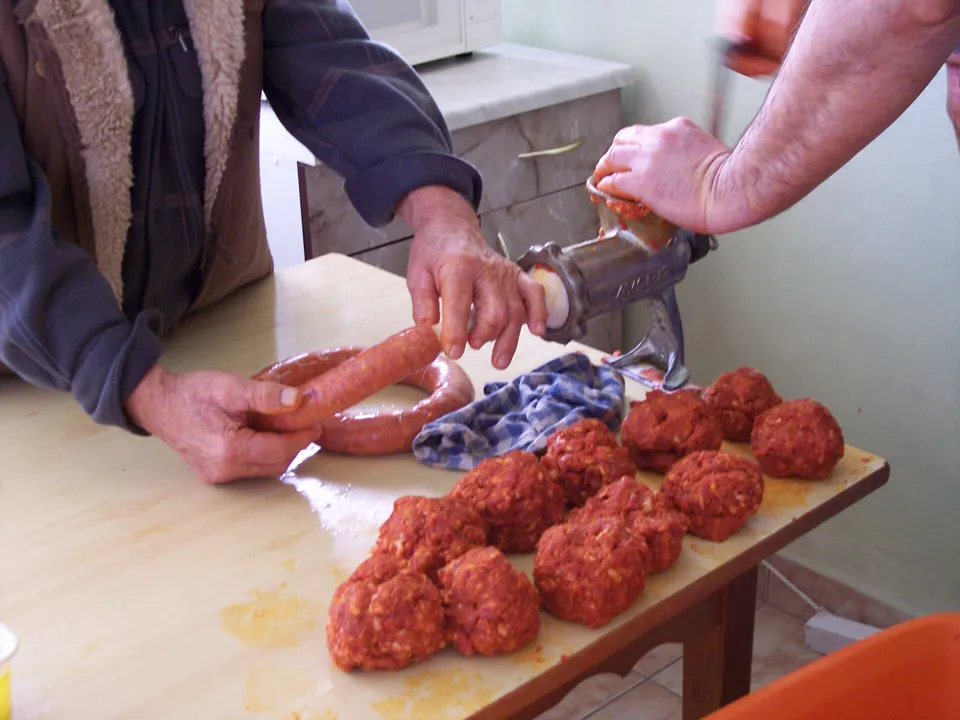
Ask how they charge, then do the math yourself
Processors usually charge a fee per animal and then a rate based on hanging weight, the weight of the carcass after slaughter and before cutting. Extras such as sausage, smoking, curing, patties or vacuum packing are often priced on their own. We do not list prices because they change and vary by region, so ask for the current rate sheet in writing.
Hanging weight is not what goes in your freezer. Extension specialists at South Dakota State University give a worked example where a 750 pound carcass yields about 490 pounds of boneless, trimmed beef, about 65 percent of the carcass. Bone-in cuts and less trimming give more weight, boneless cuts and closer trim give less. Our bulk beef guide walks through the formula.
Get the cut sheet right
A cut sheet tells the processor how you want the carcass broken down: steak thickness, how many steaks per package, roast size, how much goes to ground beef and the lean to fat ratio for the grind. Ask for the sheet ahead of time so you are not deciding on the phone. If you are new to it, ask what most customers choose, then change one or two things you care about, such as thicker steaks or more ground beef.
Ask too whether you get back organ meats, soup bones, fat or bones for stock. These are often available only if you ask on the cut sheet.
Check the plant itself
Visit if you can. Look for a clean retail area, clear labels and staff who can answer questions about how your animal is tracked from the kill floor to the package. Ask how they keep your meat separate from other customers' meat. FSIS guidance requires custom-exempt work to be kept separate from meat for sale and marked "Not for Sale".
For USDA plants, the establishment number in our listing matches the number in the FSIS inspection directory, so you can look up what FSIS lists for that plant. A plant's listed activities, such as slaughter or processing, show what it is set up to do. They do not tell you whether it is taking new customers.
Plan pickup and freezer space
Ask what day the meat will be ready and how long you have to collect it. Extension guidance from the University of Maine and Oklahoma State uses a rule of thumb of about 1 cubic foot of freezer space for every 35 to 40 pounds of packaged meat. Make room before pickup day, and bring coolers if the drive is long.
When you are ready, find meat processors near you or browse by state from the home page.
Questions people ask
Can I sell meat processed at a custom-exempt plant?
No. Under USDA FSIS rules, custom-exempt meat is only for the animal's owner, their household, nonpaying guests and employees, and it must be marked Not for Sale.
What is hanging weight?
Hanging weight, also called hot carcass weight, is the weight of the carcass right after slaughter, before it is chilled, aged and cut. Many processors base their charges on it.
Sources
- USDA FSIS, Guideline for Determining Whether a Livestock Slaughter or Processing Firm is Exempt (2018)
- USDA FSIS, State Inspection Programs
- eCFR, 9 CFR Part 303, Exemptions
- USDA FSIS, Meat, Poultry and Egg Product Inspection Directory
- SDSU Extension, How Much Meat Can You Expect from a Fed Steer?
- University of Maine Cooperative Extension, Bulletin #1071, What To Expect When Buying A Freezer Beef
- Oklahoma State University Extension, Buying Beef for Home Freezers